
Lean repair
- Younger roof with a sound deck
- One leak path (boot, vent, flashing)
- Few blown off or missing shingles
- First clean patch in that zone
- Repair cost is a small share of a new roof
Leaks, hail, blown off or missing shingles, and patches. Door knock crews sell a reroof. We find whether a repair holds before anyone tears the house apart.
A stain is a location. Pipe boot, vent, flashing, valley, and more.
We document real impact marks and soft spots, then repair or replace what the roof actually needs.
Wind lifts tabs and leaves bare spots. We lace in matching work when the deck is sound.
When water is coming in now, we cover first, then plan the lasting fix.
Vent and pipe-boot leak repair on a residential roof. Before, during, and after. Close-ups stay on the work, not the street.
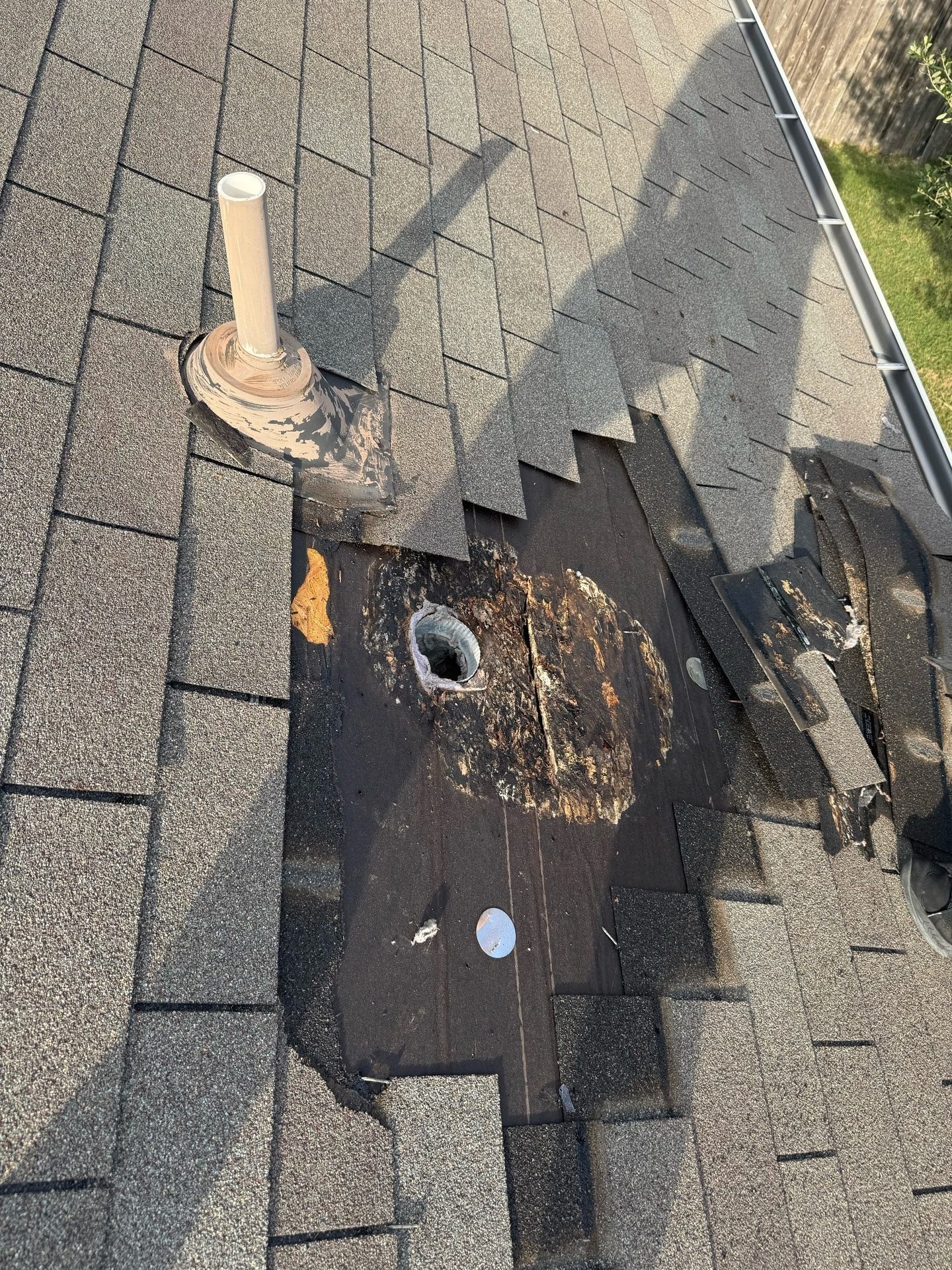
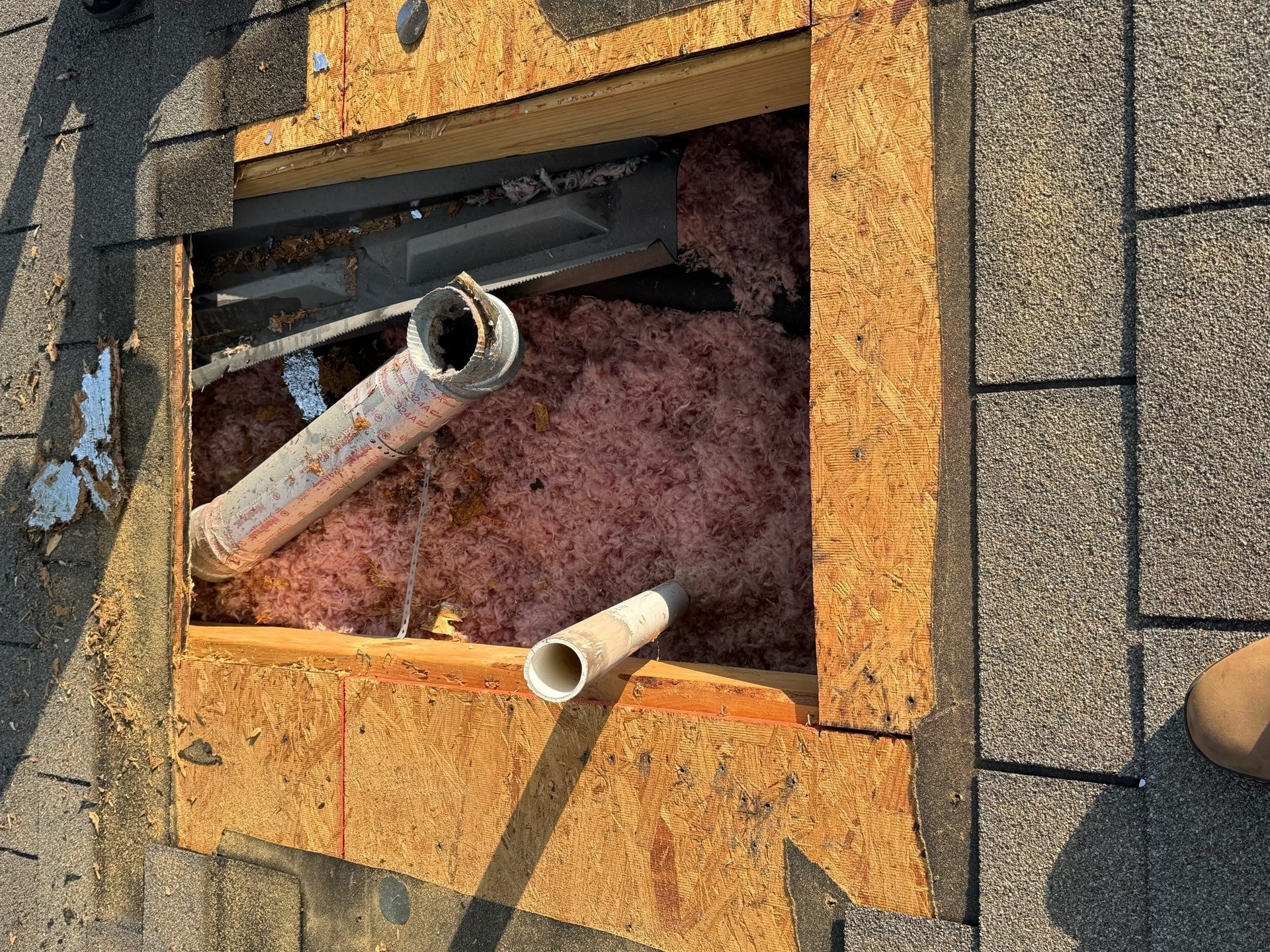
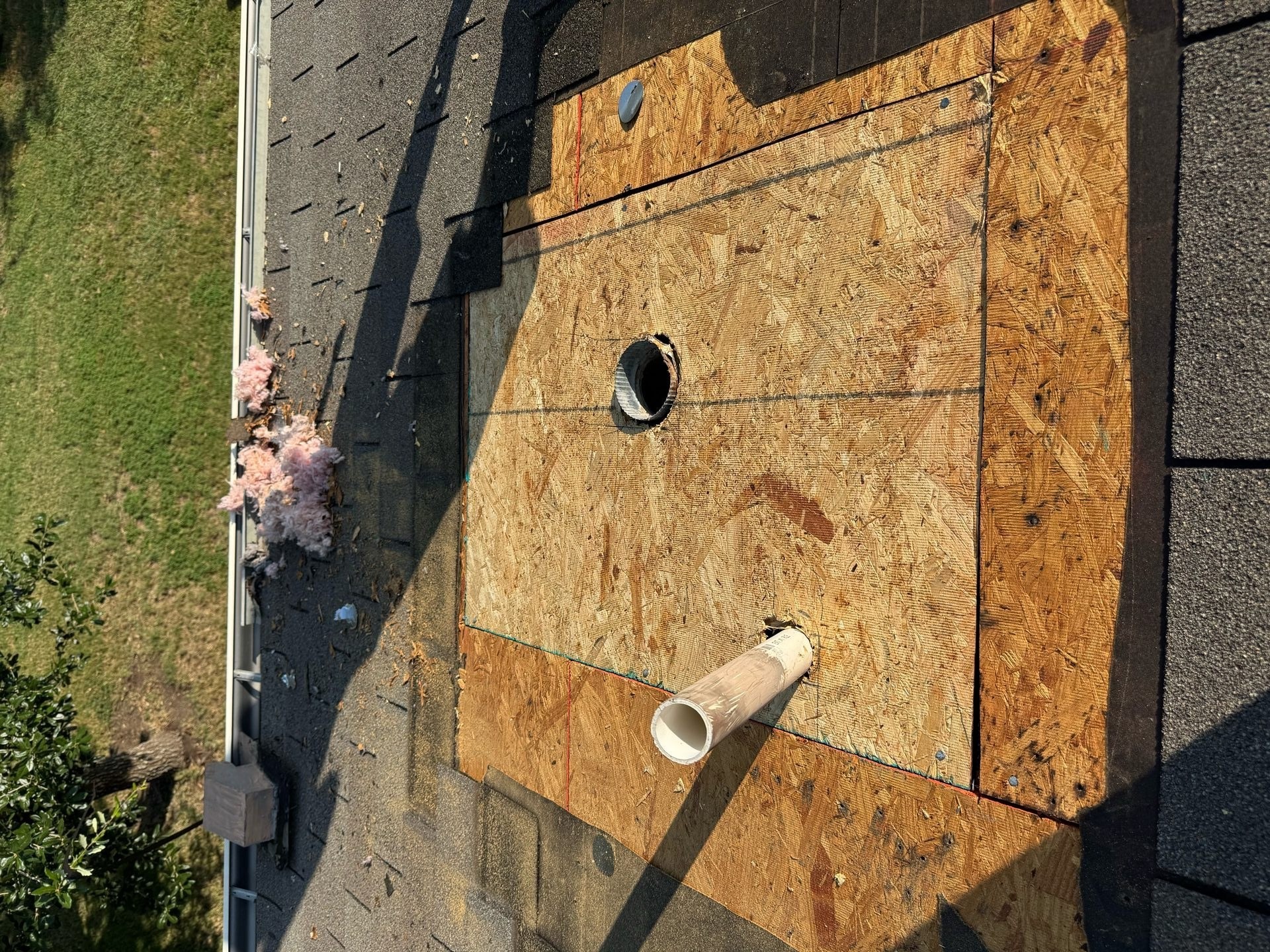
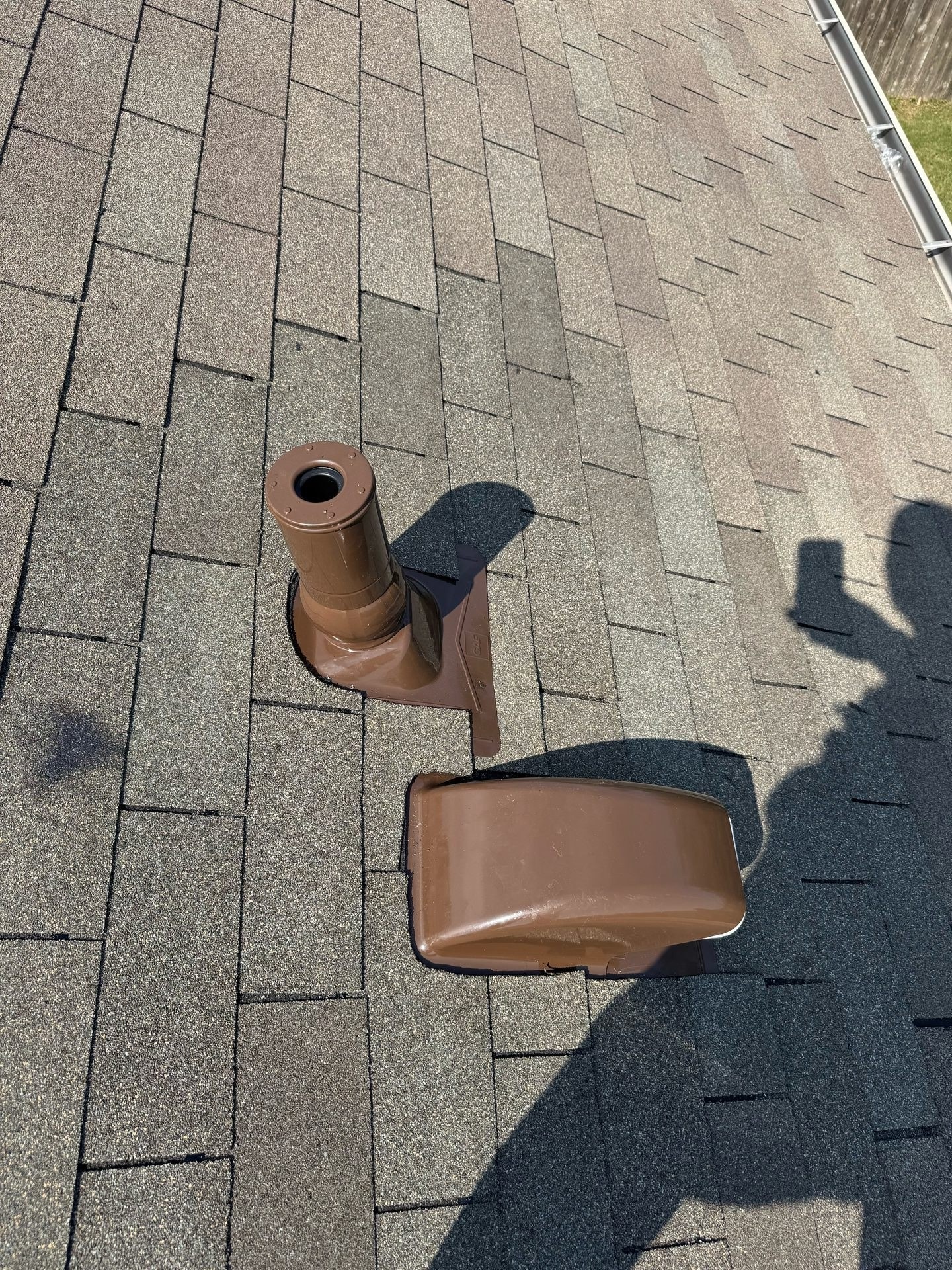
Repeated patches in the same zones, widespread hail, or a cover near end of life usually point to a reroof. We say so plainly.
A real look on the roof settles it. This matrix is how we talk through the call with homeowners in the San Antonio metro. Heat, hail, and wind matter here more than northern ice problems.
| Factor | What we check | Lean repair | Lean replace |
|---|---|---|---|
| Roof age | Asphalt life in this heat is often shorter than brochure years. We ask install year and look at granule loss, curl, and brittle tabs. | Repair Under ~10–15 years, deck solid, isolated wear. | Replace Mid/late life plus storm wear, or already living on patches. |
| How much is hit | Spot damage vs whole slopes. Large share of a roof in a short window often means a full system, not a scatter of patches. | Repair One plane, one penetration, or a small cluster. | Replace Many planes, dense hail bruise, or large open areas. |
| Leak pattern | Ceiling stain is a location. We chase the path: pipe boot, vent, flashing, drip edge, valley, or field. | Repair Single path we can open, fix, and lace back in. | Replace Many active paths, wet deck, or underlayment that failed broadly. |
| Past repairs | Photo history and what we see in the field. A good patch can last. A patch farm usually means the system is tired. | Repair One or two clean, sealed repairs that still hold. | Replace Same zones keep opening; water finds a new route each storm. |
| Storm / hail / wind | Bruise density, blown off or missing shingles, ridge and edge loss. We document for you either way. | Repair Isolated wind loss or light, sparse hits. | Replace System-wide hail or wind that leaves the cover finished. |
| Cost sense | No fake price list here. If a honest repair is a big share of a full reroof on an aging cover, replace usually wins. | Repair Targeted fix is clearly the smaller, lasting job. | Replace Stacked repairs would buy most of a new roof anyway. |
| Deck & venting | Soft OSB, rot at penetrations, weak attic airflow, heat cooked underlayment. | Repair Local deck patch plus a lasting flash/vent fix. | Replace Soft deck in several places or chronic attic heat/moisture with an aging cover. |
| Layers already on | We check if you already have more than one layer. Tear off vs recover is a code and performance call we explain on site. | Inspect Single layer, sound deck, limited damage. | Replace Tired multi-layer stack or recover that will not perform. |
Inspect first when photos from the ground are unclear, when a carrier already opened a claim, or when you only see a stain and not the roof. We climb, photograph, and tell you straight: repair if it holds, tear off when the system is finished.
Call or text (956) 203-7733 · Send a message