

When repair makes sense
- Younger roof with a sound deck
- One leak path (boot, vent, flashing)
- A few blown off or missing shingles, with a matching shingle available
- Repair cost is a small share of a new roof
A new roof is more than new shingles. It’s a system of decking, underlayment, flashing, ventilation, and edge metal that has to work together. We look at your roof, explain what it needs, and put the full scope in writing. You work directly with us from the first inspection to the final cleanup.
The shingles are what you see from the street. What keeps water out is everything working together underneath and around them. When one part is skipped or reused, that’s usually where the next leak starts.
A roof is more than shingles or panels. The details that direct water and protect the transitions are part of the system too, and flashing isn’t an optional accessory. Flashing is one of the parts of a roof that most people never notice until there is a problem. It’s used around chimneys, skylights, walls, valleys, roof penetrations, and other areas where water needs to be directed away from vulnerable points.
Where we look for it:
On a new roof or a replacement, flashing is part of the job. We replace worn or rusted pieces instead of reusing them, and we don’t count on a tube of sealant where metal belongs. As a roofing and sheet metal shop, we form and install these details ourselves.
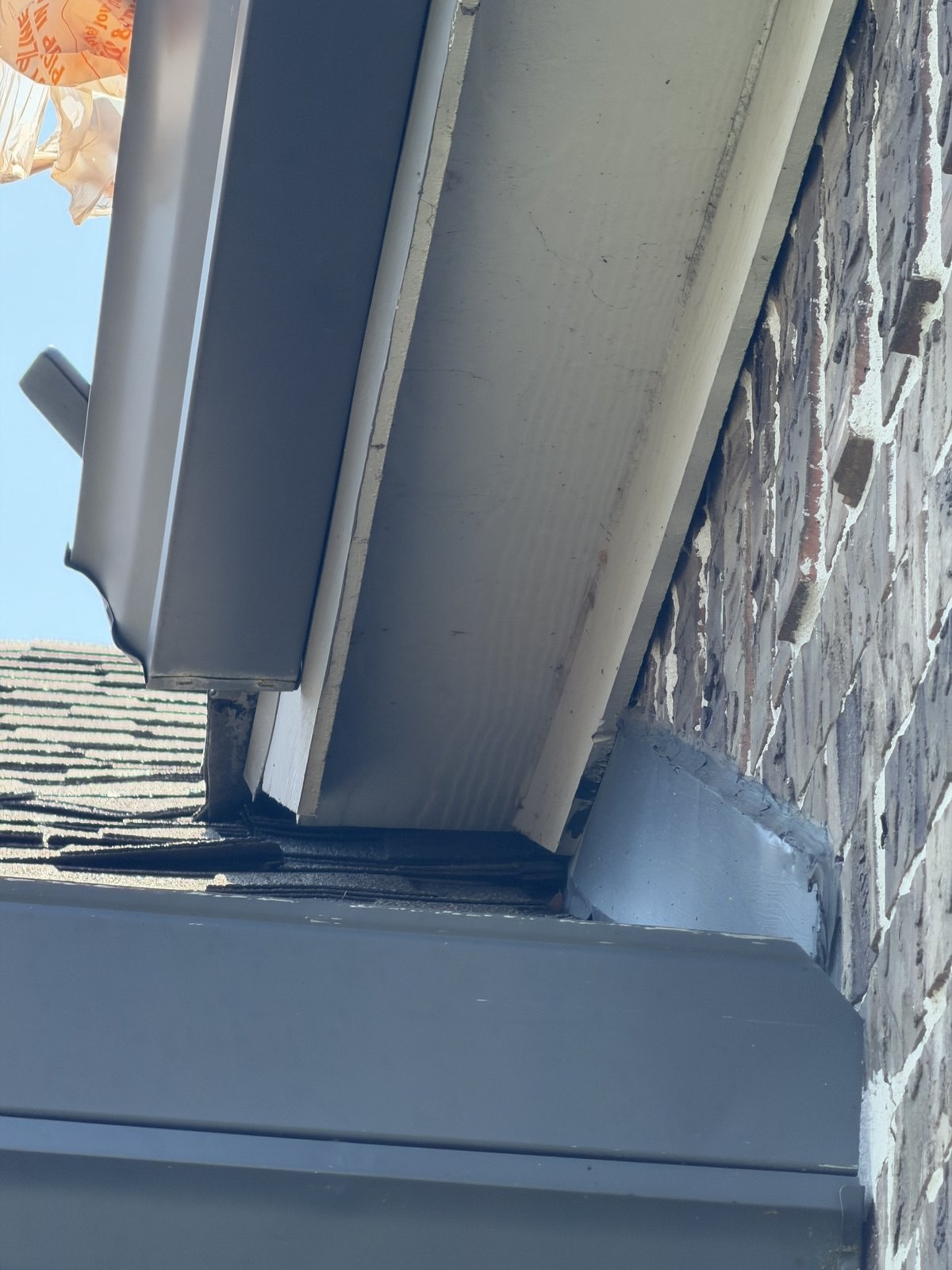
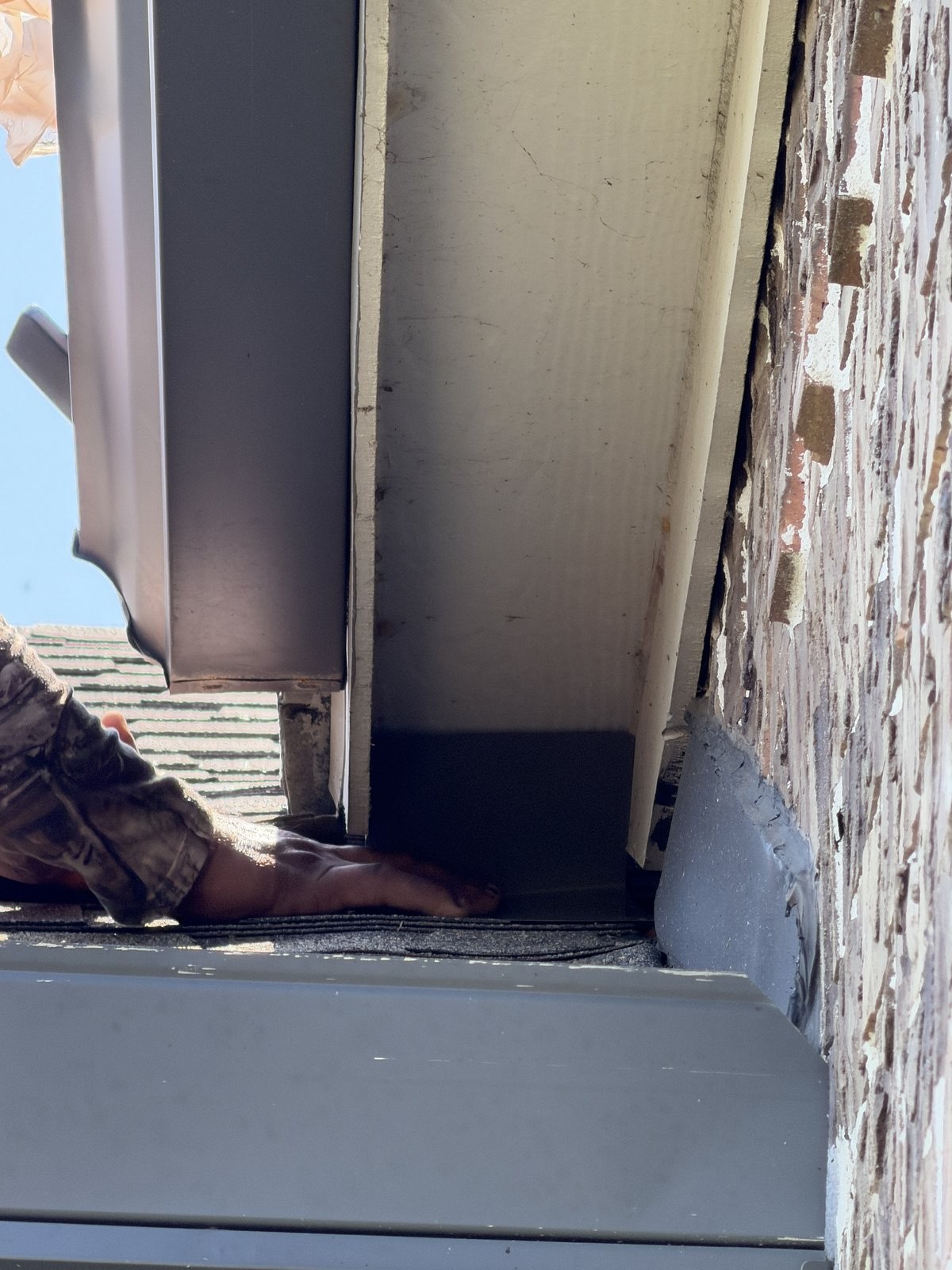
One example: an open roof return at the wall isn’t only a leak path. Mice were using the open return on this job. We closed the gap with the right metal detail so water sheds and pests stay out.
We work with both traditional 3-tab and architectural asphalt shingles, along with other asphalt shingle systems. GAF Royal Sovereign® is an example of a traditional 3-tab asphalt shingle. Architectural shingles are thicker, layered shingles with a more dimensional look. Compare shingles in the Roof Guide.
The shingle type also affects how a repair is handled, so we check what’s on your roof before we recommend anything.
GAF is our preferred shingle manufacturer, and Owens Corning is another manufacturer we confidently recommend.
We understand that customers may have a preferred brand, color, product, or existing roofing system. We can accommodate other reputable shingle manufacturers upon request.
The brand may change, but our approach to installation does not. We follow the manufacturer’s installation requirements and maintain the same standards for workmanship, roofing details, and jobsite quality regardless of the shingle brand selected.
Certain qualifying GAF roofing systems are eligible for enhanced warranty options, including GAF’s WindProven™ Limited Wind Warranty. Manufacturer warranties are separate from the installation work performed by SA Metro.
We’ll help you choose a roofing system that fits your property, project, appearance, budget, and warranty requirements.
Not every roofing problem requires a complete replacement. We look at the condition of the roof and explain what makes sense: the roof’s age, how much of it is damaged, and the condition of the flashing and deck. On a repair, matching an existing shingle depends on the manufacturer, product line, color, age, and availability.
Careful preparation, deck repairs where needed, underlayment, flashing, and attention to the details that keep water out.
When a roof has reached the end of its useful life or has extensive damage, we plan the replacement with a proposal that lists the work involved.
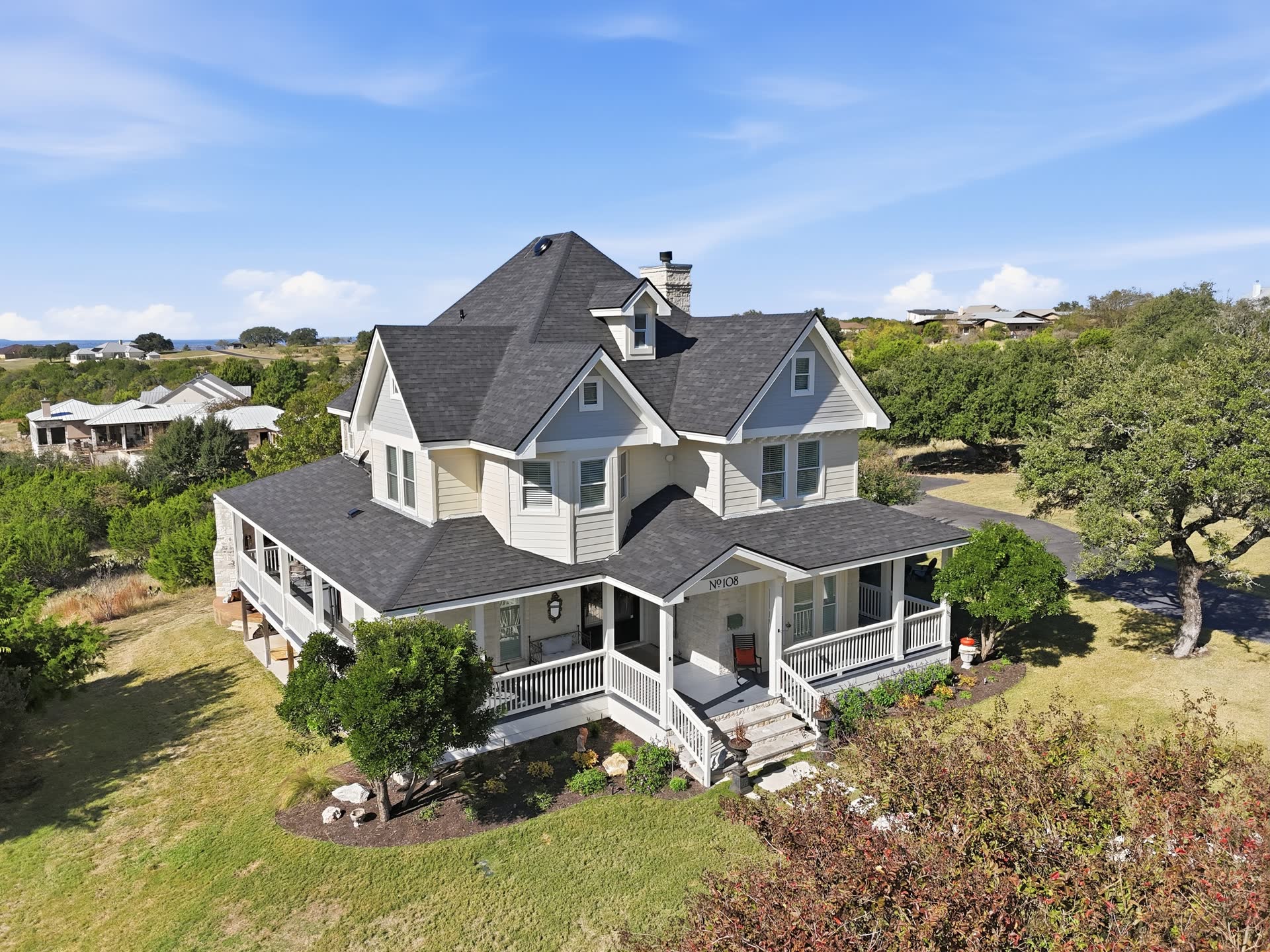
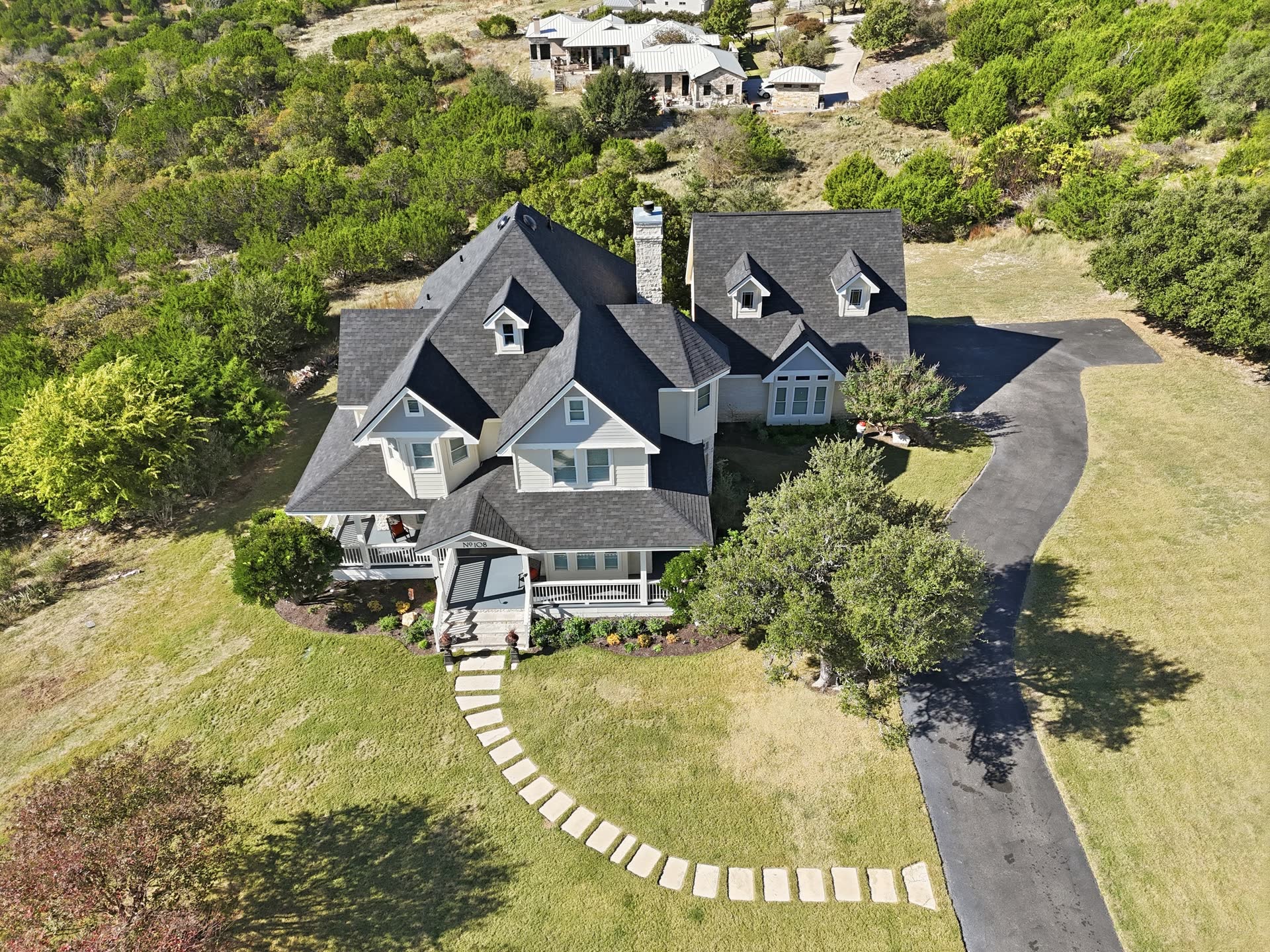
A replacement is more than new shingles. Depending on your roof, the scope can include tear-off, deck repairs, underlayment, flashing, ventilation, drip edge, ridge components, disposal, and the permit. We explain what’s included in your proposal before work begins. As a GAF Certified™ contractor, qualifying roofs may be eligible for GAF warranty options such as the System Plus Limited Warranty, subject to GAF’s product and program requirements.
Tell us what’s going on with your roof. We’ll come look at it and walk you through what we find. Call or text (956) 203-7733. Monday to Saturday, 8am to 6pm. Closed Sunday.